
Field Document No. 001
Sedona, Arizona
Tampa, FL
Not for reproduction
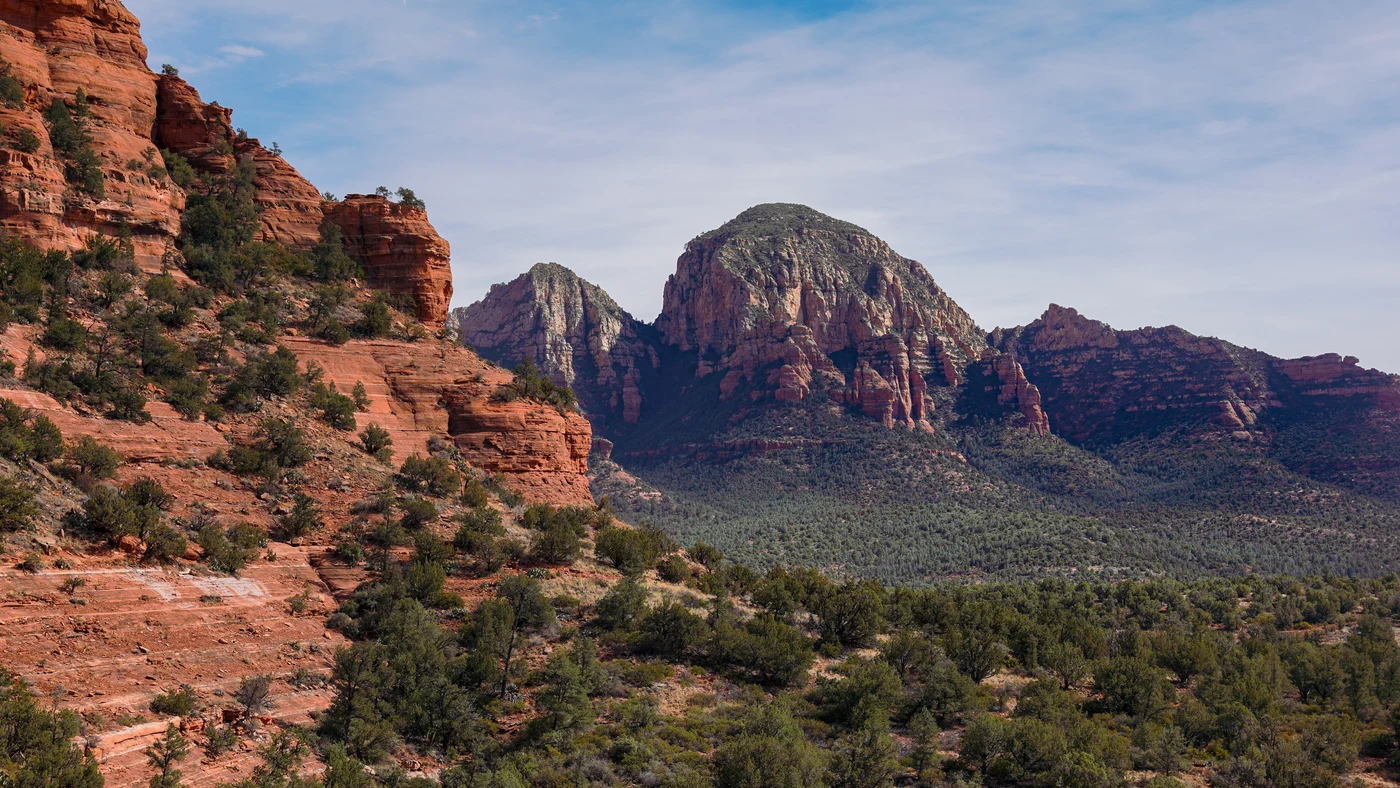
Field Notes · Sedona, AZ · February 2025
Javelina
The desert seems to be the most surefire way to get complete and total silence. Ever since October 2020, the call to go back has been constant.
In February of 2025 I headed out to Sedona, AZ to write and record for five days, or so I thought.
Things didn't go according to plan. Nothing bad happened — in fact, the trip was phenomenal. I was in a transitional period in life and I think part of me felt unsettled.
I sat down several times. Picked the right Airbnb, curated the perfect environment, brought the right gear.
That whole week I finished one song. It ended up being "Javelina," named after a feral creature that runs around the desert in Sedona. Ugly little thing, pretty name.
In the moment I was disappointed in myself, but I think it was a reminder of one of life's universal truths: don't force anything. When you're making art, you need to remove your rational brain from getting in the way.
So if there's one thing I'd like you to take from this — rest when you have the opportunity to rest. Listen to what your body needs. Be a human being, not a human doing. You will thank yourself.
— Alex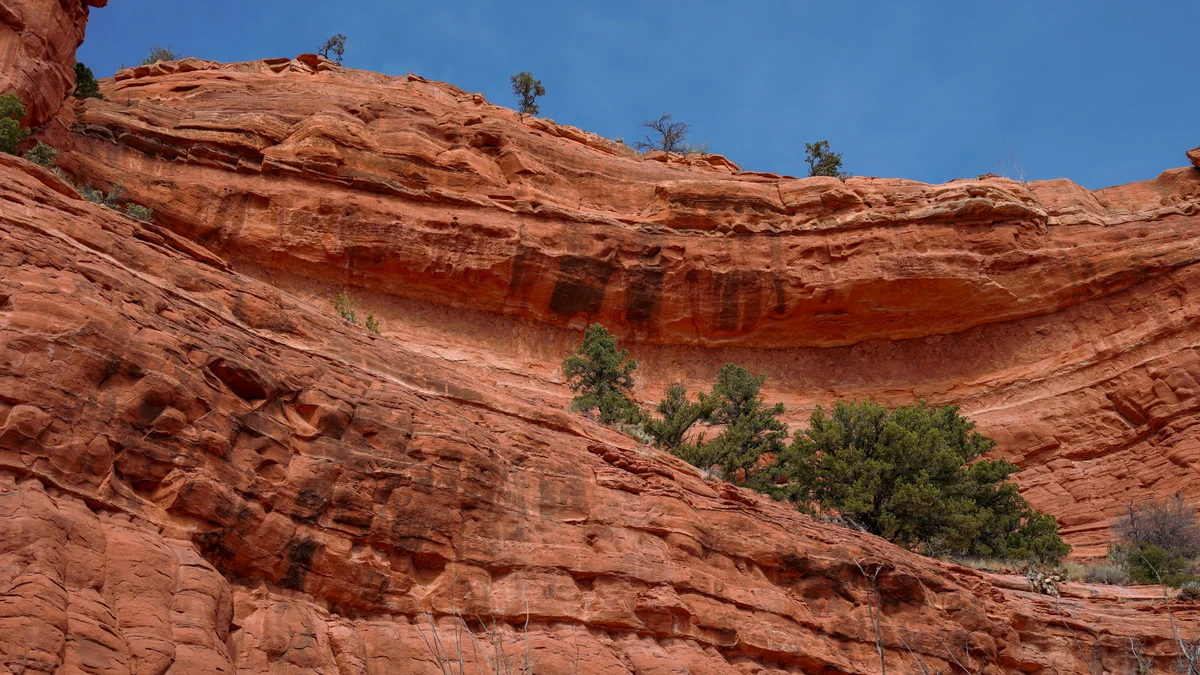
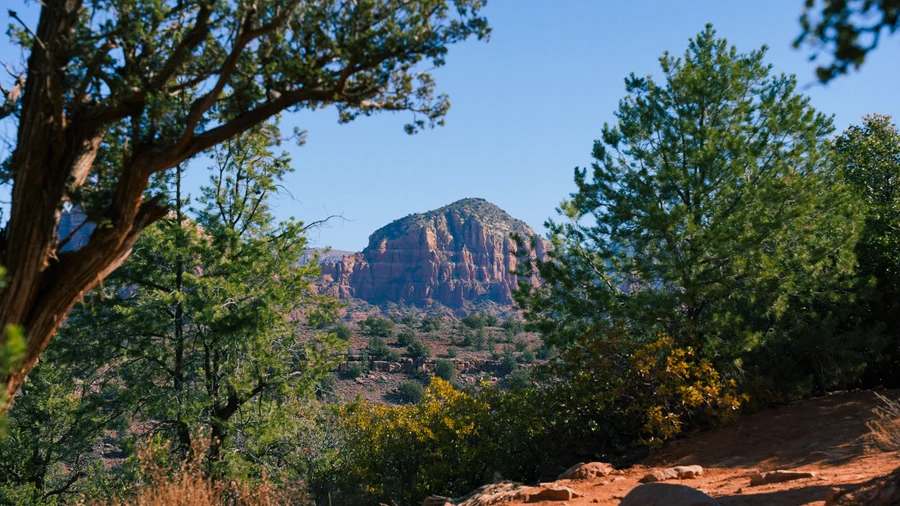
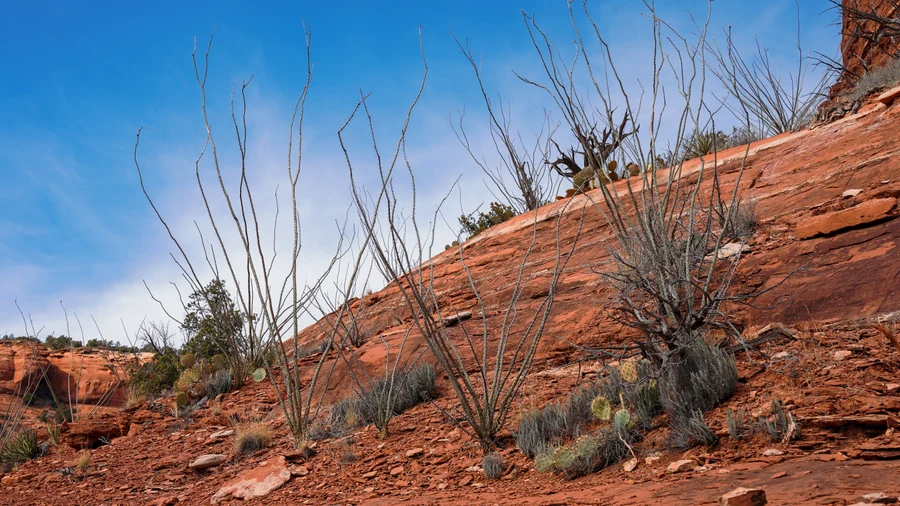
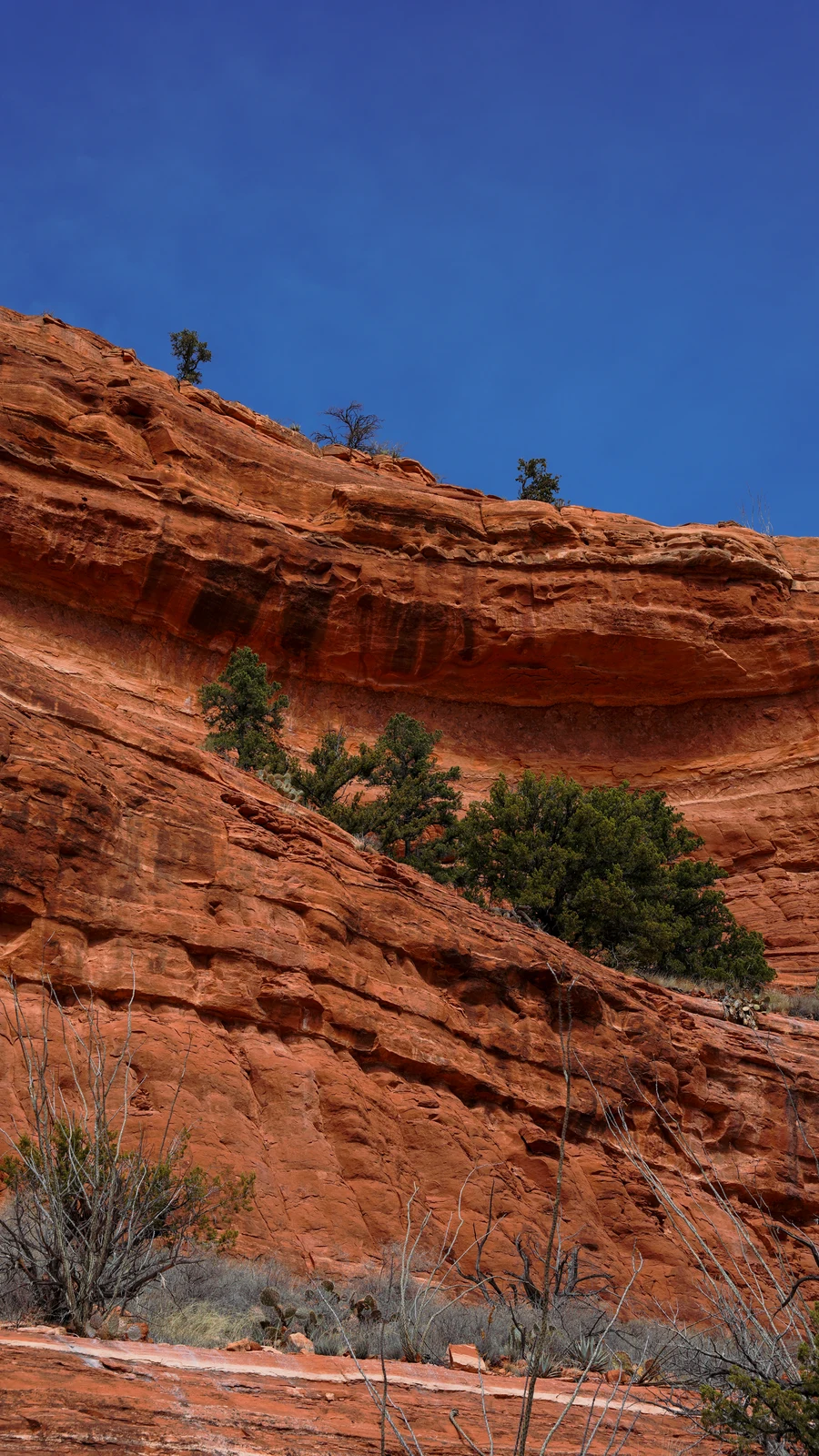
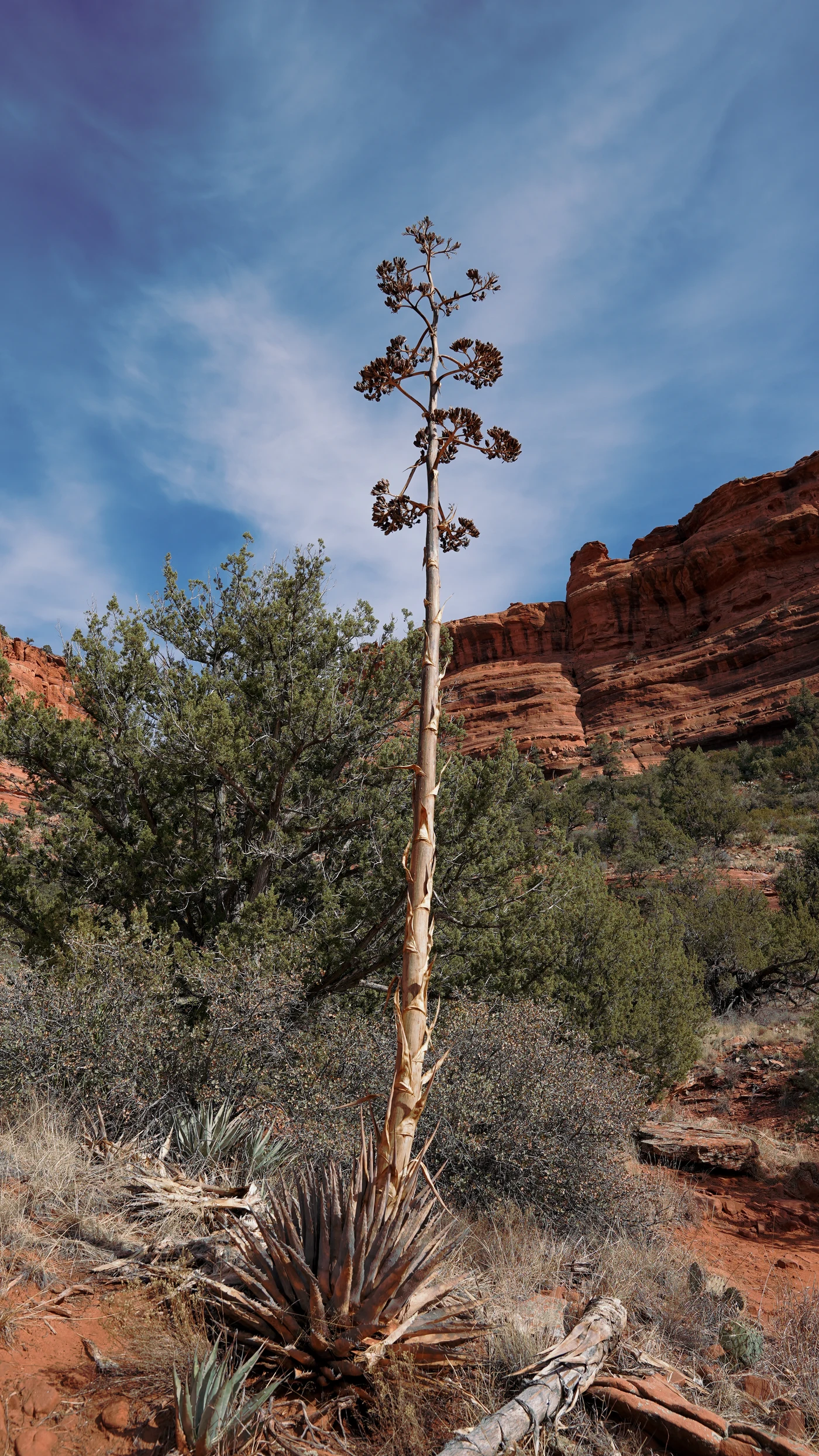
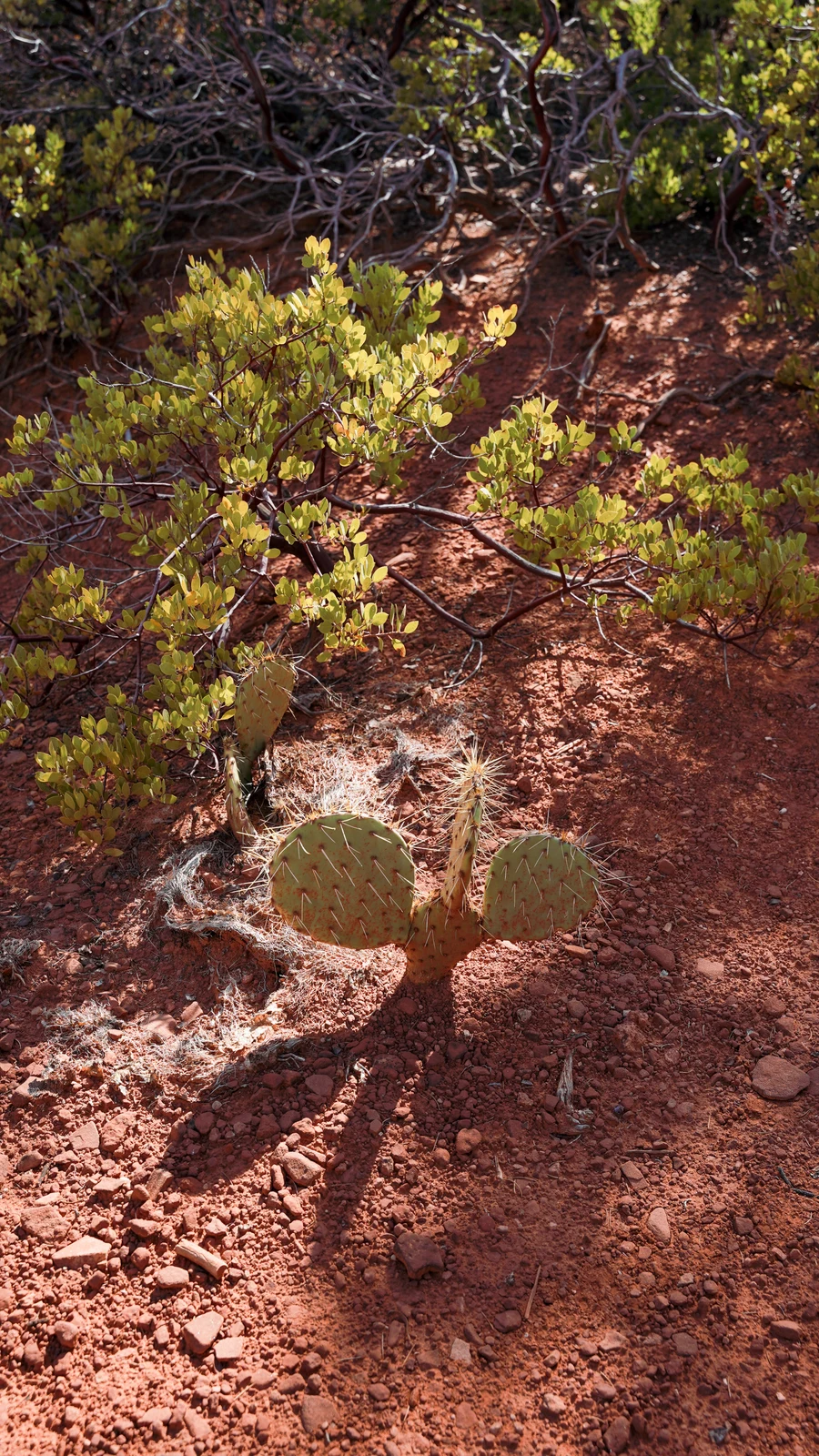
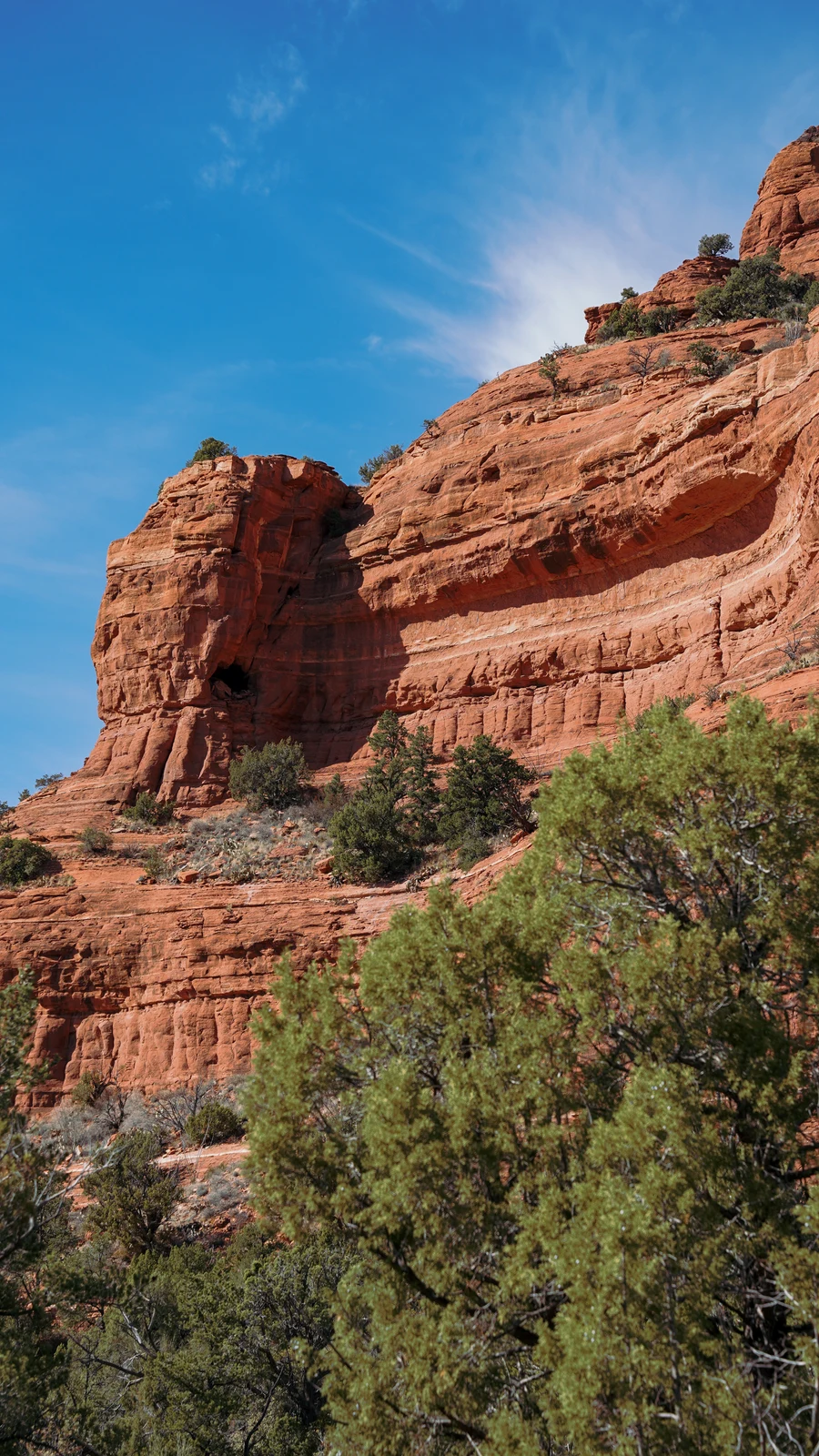

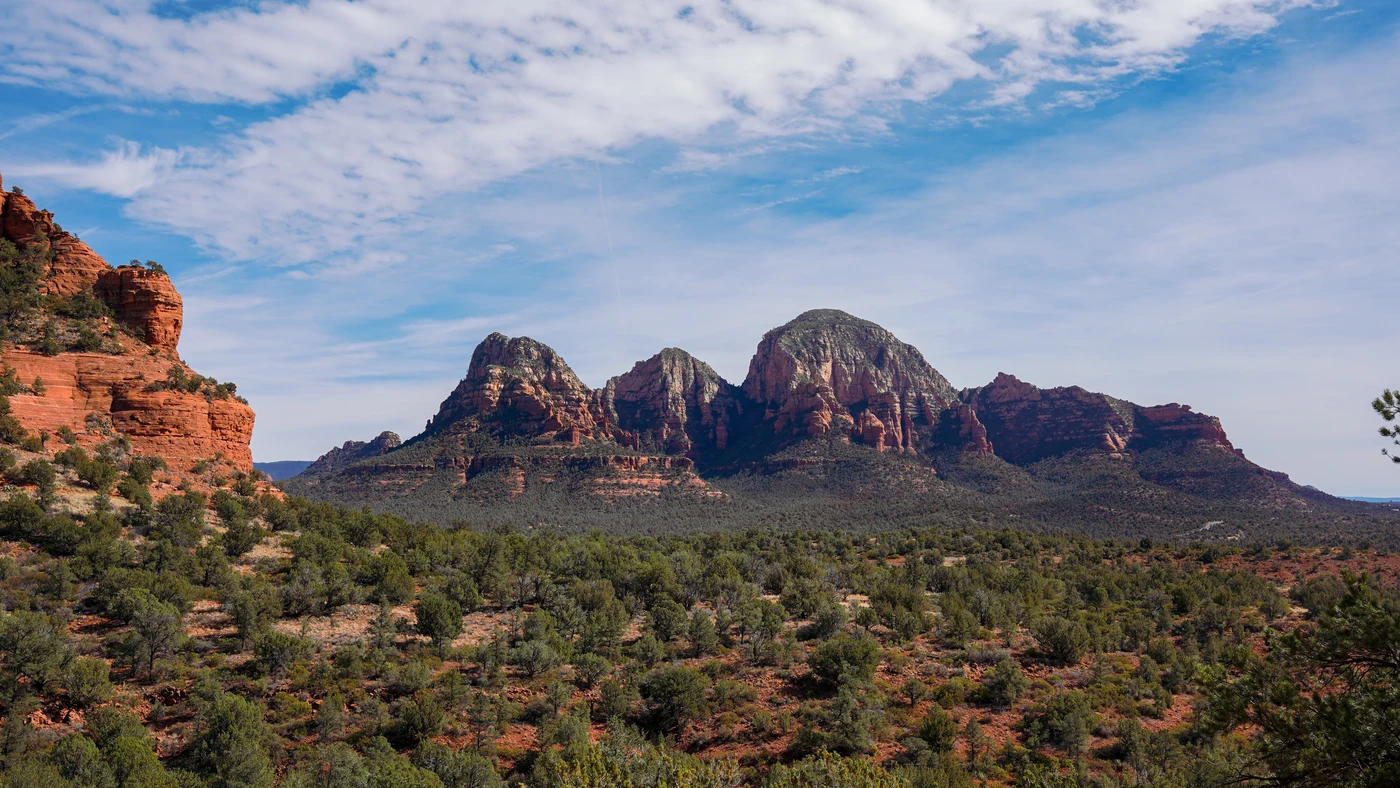
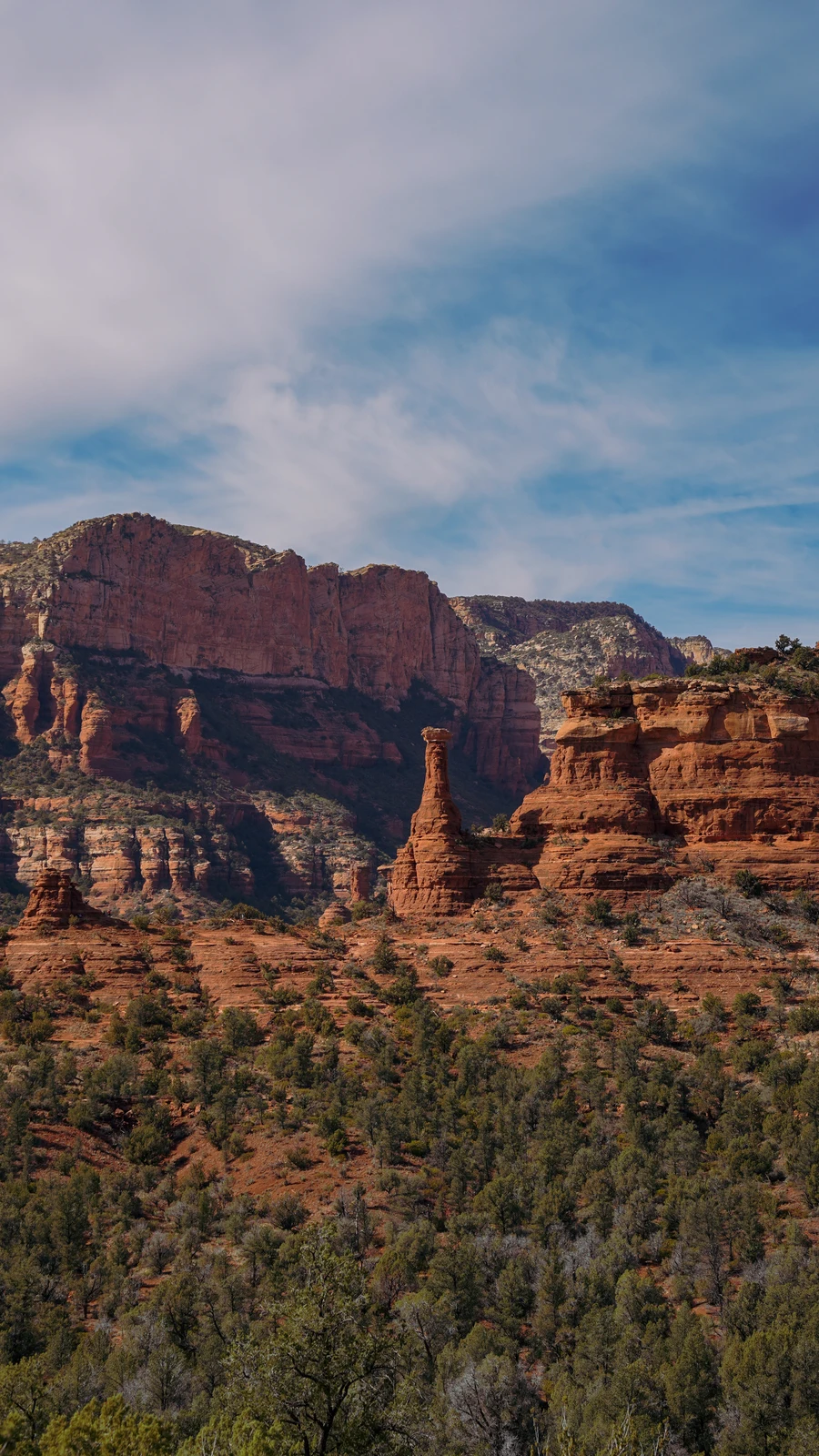
Sedona sits at the southern edge of the Colorado Plateau, where roughly 300 million years of sediment compression produced the red rock formations the region is known for. The color comes from iron oxide — rust, essentially — baked into Schnebly Hill sandstone over hundreds of millions of years. The formations aren't static. They're eroding continuously, shedding material into the creek beds below at a pace slow enough to feel permanent.
The vortexes — four main sites, Cathedral Rock, Bell Rock, Airport Mesa, and Boynton Canyon — are described by locals and visitors as concentrations of energy emanating from the earth. The geology beneath each site shares certain characteristics: layered, fractured stone with high iron and quartz content. Whether that produces anything measurable is contested. What isn't contested is the landscape itself, which has a way of demanding attention that most places don't.
The javelina, Pecari tajacu, has roamed this terrain for millions of years. They're not pigs — they're peccaries, a separate lineage entirely. They move through the desert brush in family groups, unhurried, as though they've correctly assessed that nothing out here is a serious threat to them. They're probably right.
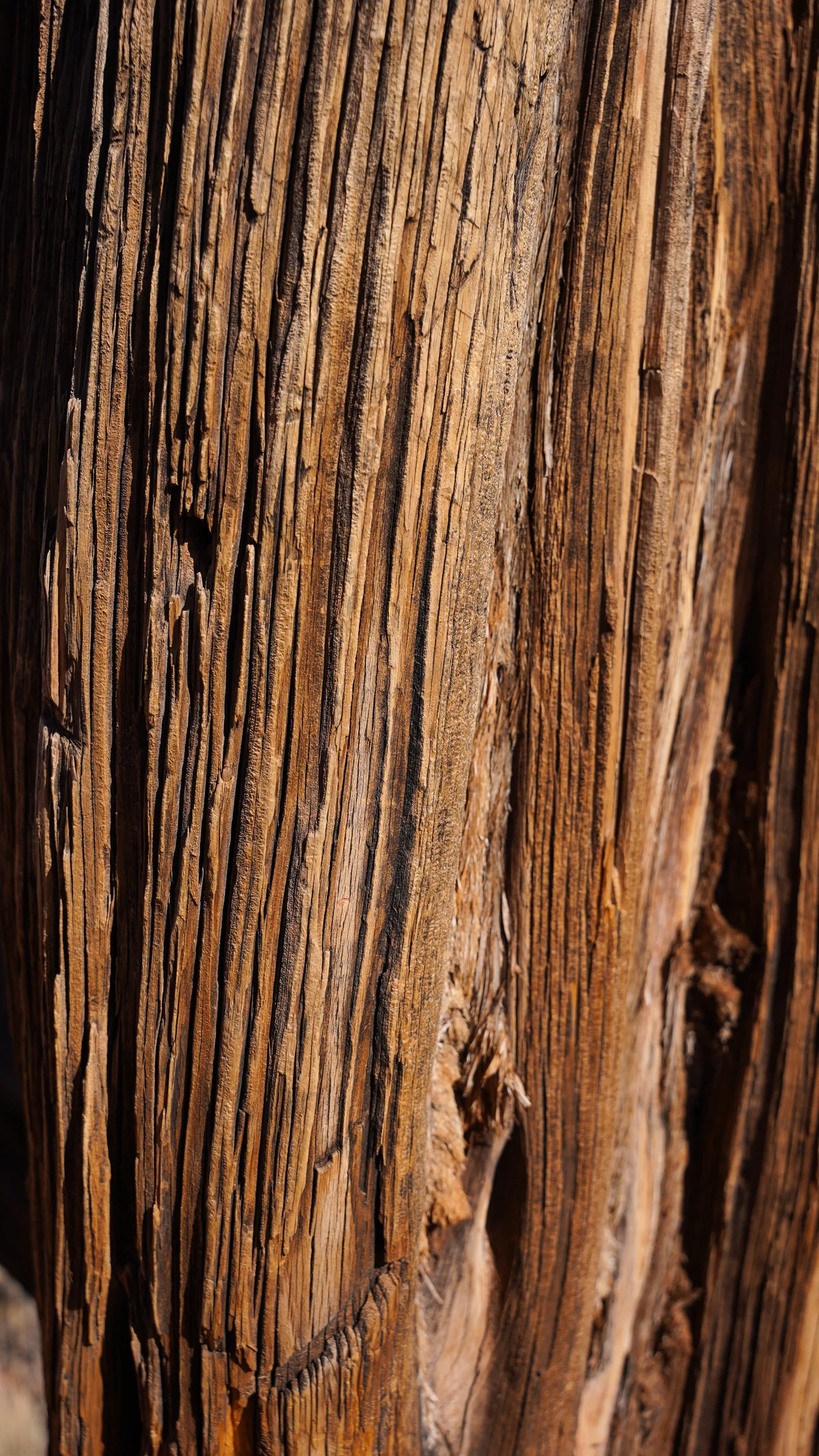
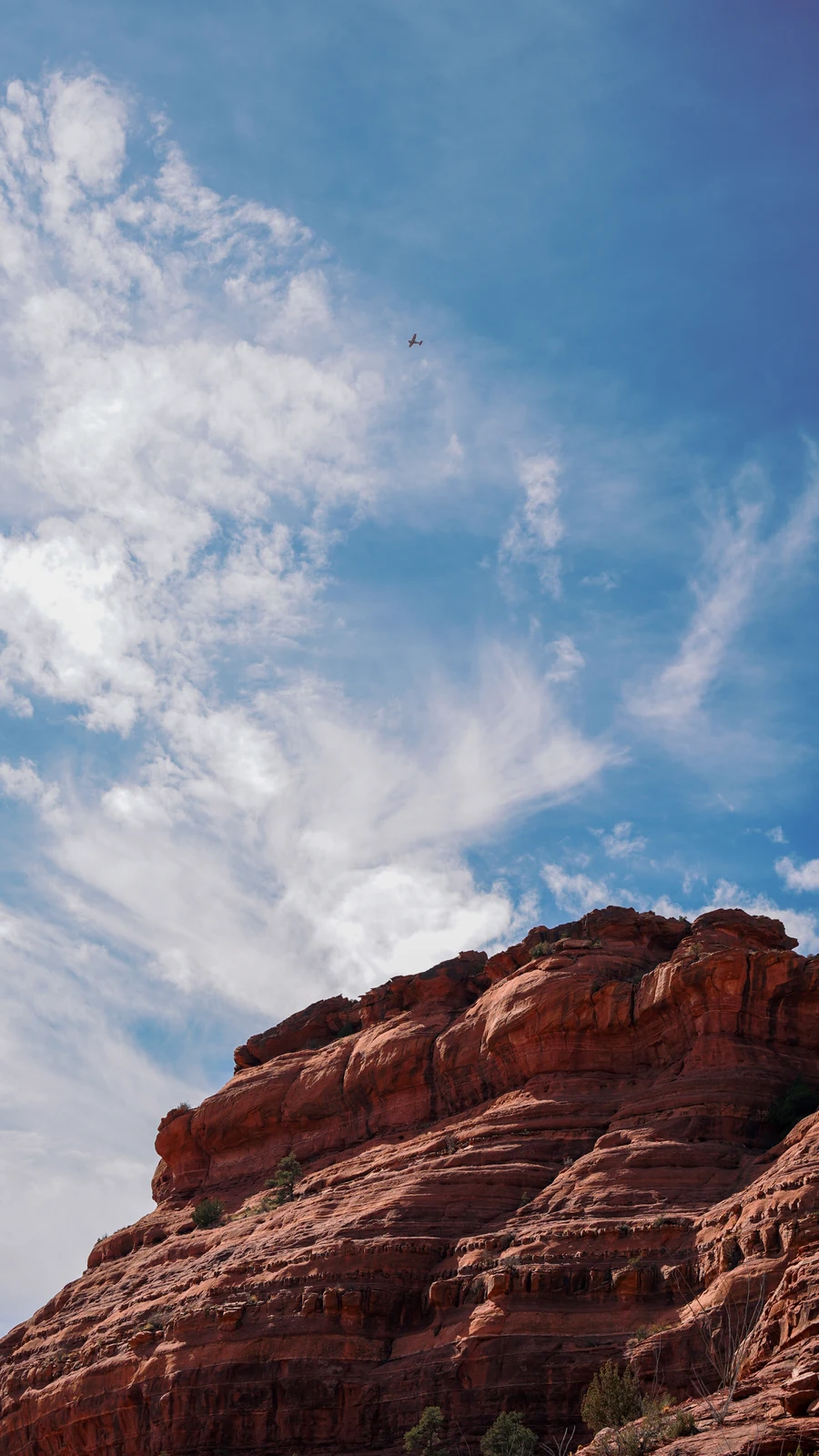
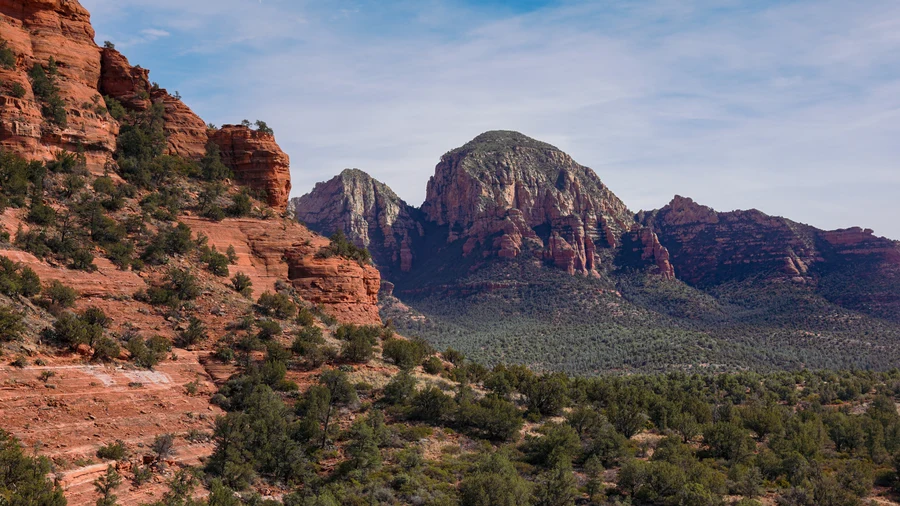
Sedona, Arizona · February 2025 · 13 frames
Tampa, Florida
▶ Now Playing